
Keeping critical infrastructure safe
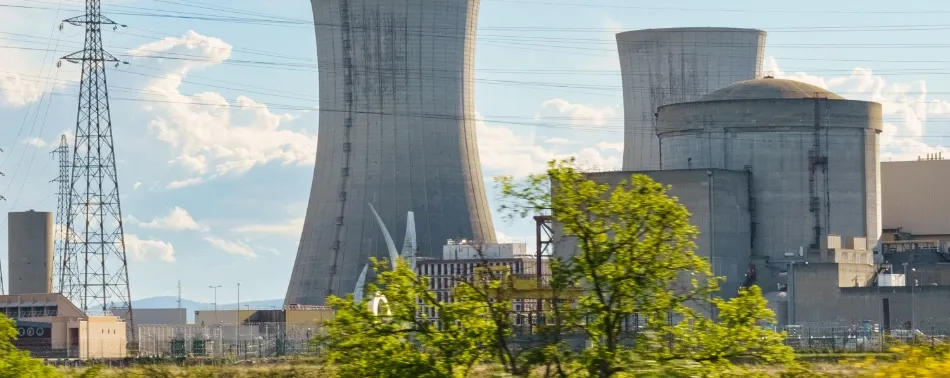
SkazovD/Shutterstock.com
Pressurised systems are found at the core of many of our key industries, including hospitals, chemical plants, and nuclear power stations – they are even in the heating systems in our homes. Sudden failure of these systems can be catastrophic, so industry first started work to standardise the design, operation, and maintenance in the 1880s.
EN ISO 24817 provides guidance on using advanced composite materials such as carbon or glass fibre reinforced epoxy resins (as an alternative to traditional methods) to enable the continued, safe operation of pressurised systems where inspection identifies points of concern.
EN ISO 24817 was first published in 2006 and provided an internationally recognised framework for the safe implementation of composite repairs to pressurised systems, ultimately increasing efficiency of operations. The standard specifies requirements and recommendations for the qualification, testing, design, installation, and operation of external application composite repair systems to corroded or damaged piping and pipelines, tanks and vessels.
New version offers easier use
Over the years, continued feedback and accumulated industry experience regarding the performance of repair systems identified areas where guidance could be clarified to help users follow best practice and maintain the high standards of safety expected in major industrial applications. The technology is now used much more widely than when the first edition was published, meaning the number of users has increased markedly.
The original structure of the document reflected an advanced-level textbook in parts and, although extremely detailed, it could be difficult for new users to identify and apply all requirements. The update has focused on improving the structure and clarifying the intention of each part to help all users comply with the document.
Real-world applications and benefits
When the standard was first published, there was a need for internationally recognised guidance to ensure the safe and consistent implementation of composite materials to repair pressurised metal components. The written guidance helped ensure that plants followed safe procedures when using the technology.
Composite repairs reduced the costs associated with extending the life of facilities whilst also being faster to implement, thus improving the safety of operations. This benefits both the plant operators and the end users of the products manufactured by the facilities (including energy, chemicals, and medicines). The new version is intended to make this guidance more accessible to the growing number of people involved in specifying, designing, implementing, and operating composite repair systems.
Typical applications of the composite repair technology governed by EN ISO 24817 include repair of oil and gas pipelines, fire and cooling water systems, utility systems in industrial plants, storage tanks, and process vessels.
If your home is heated by natural gas, then the system bringing that gas to your house may now be protected by a composite repair. Equally, whenever you turn on an electrical appliance, the generating site producing that power may well have utilised composite repairs to maintain system safety whilst avoiding interrupting your supply.
Similarly, whenever you fill up your vehicle, the fuel will have been through a facility where composite repairs have been used to protect the pressurised systems on site. EN ISO 24817 is not a standard that will be of direct use in the home, but it will be playing a role in ensuring that home can continue to operate as normal.
Source: CEN and CENELEC.