
Keeping medical devices safe
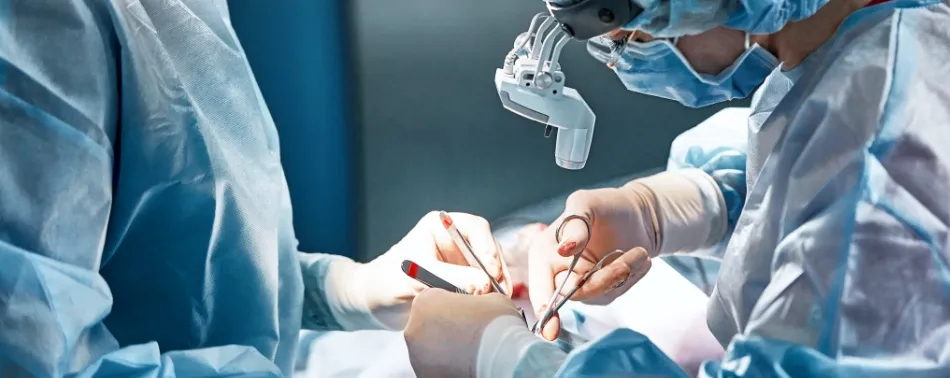
Gerain0812/Shutterstock.com
Every year, millions of people rely on medical devices, from surgical masks to implantable devices, to stay healthy and safe.
Ensuring these devices are biologically safe is crucial and ISO 10993-1 plays a key role in this process. The standard sets out principles and requirements for evaluating medical devices as part of a risk management approach.
The updated version of ISO 10993-1 was published in 2025 and it is now available also in our e-shop as EVS-EN ISO 10993-1:2026. This standard applies to devices that have contact with:
— a patient’s body, either during normal use or reasonably foreseeable misuse,
— other users’ bodies, if the device is meant for personal protection (for example, medical gloves or surgical masks).
ISO 10993-1 also supports animal welfare. Testing methods are designed to reduce, refine, and replace animal use wherever possible, while keeping medical devices safe.
What is updated?
ISO 10993-1 has been completely reorganised and the title has been aligned with the risk management framework described in ISO 14971.
- Guidance on calculating exposure duration and characterising devices, including identification of biological hazards.
- Updates to the identification of biological effects (formerly biological end points).
- Revision of Annex A with most content moved to the main text and remaining guidance on materials characterisation.
- Addition of Annex B explaining the rationale behind changes to biological effects in Tables 1–4.
The term “externally communicating” has been replaced by language which reflects the specific tissue contact of device components.
More medical device standards can be found from our e-shop.