
Making medical and aesthetic light treatments safer
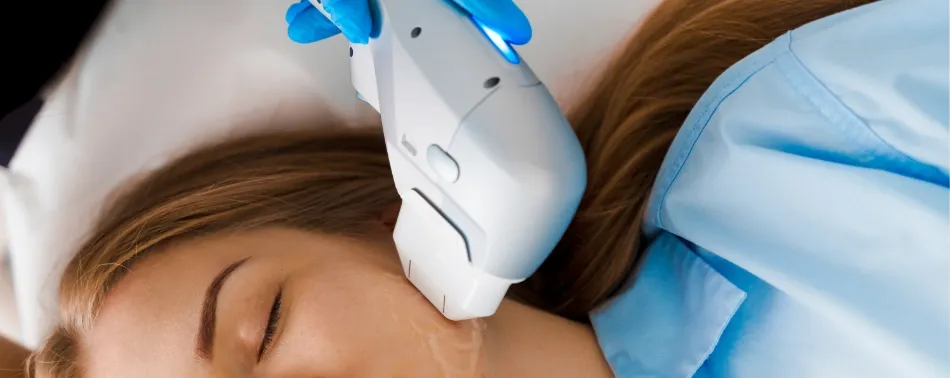
Rabizo Anatolii/Shutterstock.com
EVS-EN IEC 60601-2-57:2026 specifies essential safety and performance requirements for non-laser light source equipment used in medical and aesthetic applications.
The standard applies to medical electrical equipment incorporating optical radiation sources (200 nm to 3,000 nm), but excluding lasers, used for therapeutic, diagnostic, monitoring or cosmetic purposes. It represents a significant update to align with current technologies and global regulations, enhancing risk classification and communication regarding optical radiation hazards.
What is the standard about?
EVS-EN IEC 60601-2-57:2026 is a safety standard for non-laser light source equipment used in medical and aesthetic settings. Its goal is to protect patients and operators from hazards like skin burns, eye damage and unintended photobiological effects.
The standard covers devices used for therapy, diagnostics, monitoring and cosmetic or aesthetic treatments, such as IPL for hair removal or skin rejuvenation. It does not apply to home-use appliances, sunbeds or infant phototherapy equipment.
Why is it important?
Following this standard provides a presumption of conformity with EU legislation, making it easier for manufacturers to place their devices on the European market. It also introduces updated safety requirements, including clearer risk classification, improved control of light output and enhanced labelling and user instructions.
The standard ensures the operator has clear instructions on the correct protective eyewear, preventing permanent eye injury during the procedure. By strictly regulating the photobiological hazards of ultraviolet (UV) and infrared (IR) components, the standard also helps prevent unintended long-term effects like accelerated skin aging or increased risk of skin cancer from repeated treatments.
Essentially, it turns a complex medical technology into a routine, low-risk procedure that people can trust.
Source: CEN-CENELEC.